Description
Many users today seek alternatives to traditional Virtual Private Networks to address specific needs like speed, specialized privacy, or secure remote work access without the complexity of a full tunnel. While VPNs encrypt all traffic, they can slow down connection speeds and are often blocked by streaming services or strict network firewalls. This guide explores five effective software options available in early 2026 that serve as practical replacements depending on your specific goals.
Tor Browser
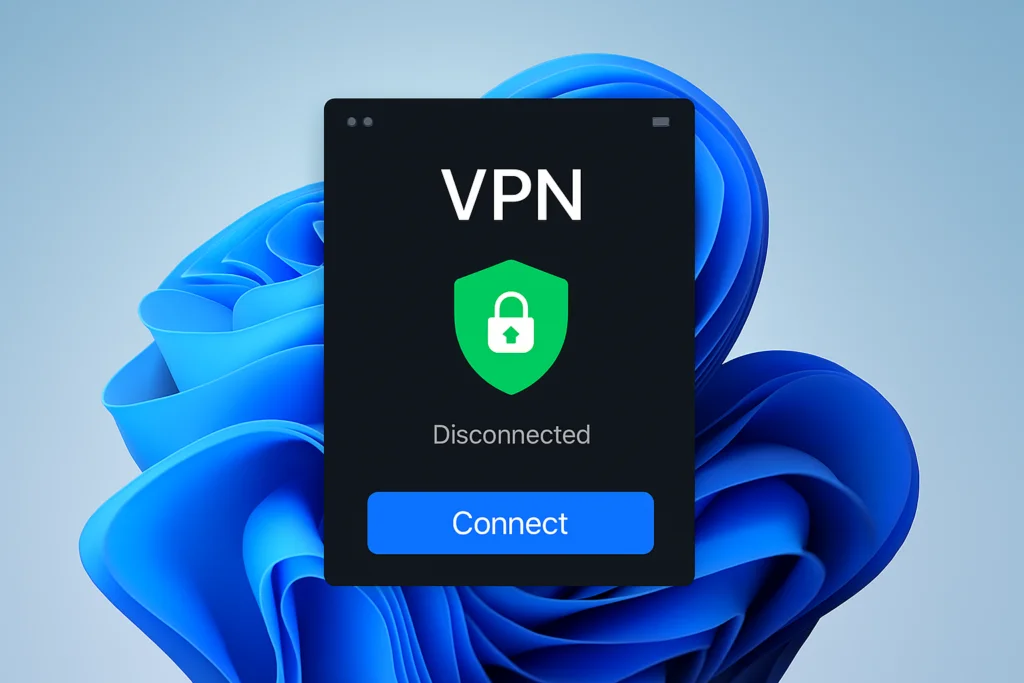
The Tor Browser remains the gold standard for maximum anonymity without relying on a central provider. Developed by the Tor Project, it routes your traffic through a distributed network of volunteer relays, wrapping your data in multiple layers of encryption (like an onion) so that no single point knows both the origin and destination of your data. It is completely open-source and free, making it accessible to anyone with a Windows PC.
- Triple-layer encryption: Traffic passes through three separate nodes.
- Anti-fingerprinting: Prevents trackers from identifying you based on browser configuration.
- No central authority: Decentralized network makes it nearly impossible to shut down.
Best for: Whistleblowers, journalists, and users requiring extreme anonymity.
Pricing: 100% Free.
Cloudflare WARP
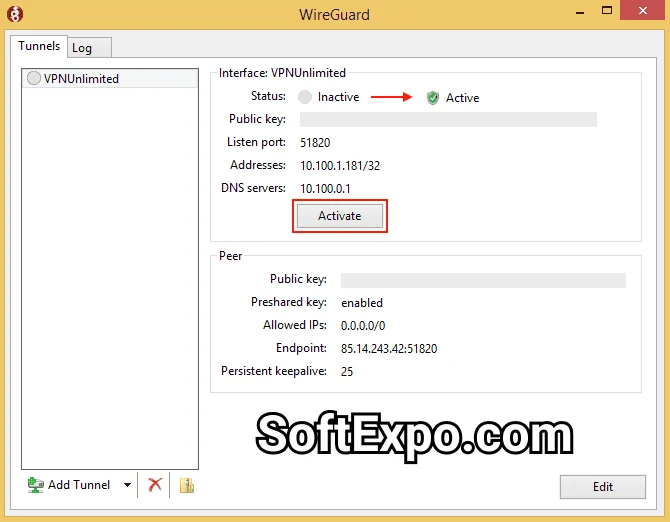
Cloudflare WARP offers a middle ground between a standard internet connection and a VPN, focusing on speed and protection against local snooping rather than total IP masking. It uses the modern WireGuard protocol to encrypt traffic leaving your device, preventing your ISP from tracking your browsing history, but it does not necessarily hide your location from the websites you visit. This makes it significantly faster than traditional tools while still securing data on public Wi-Fi networks.
- Optimized routing: Uses Cloudflare's massive global network to find the fastest path.
- DNS security: Includes 1.1.1.1 DNS resolution to prevent DNS lookups from being logged.
- Lightweight client: minimal impact on system resources or battery life.
Best for: Improving internet speed and security on public Wi-Fi.
Pricing: Free (Basic); WARP+ is ~$4.99/mo for optimized traffic routing.
Twingate
Twingate represents the shift toward Zero Trust Network Access (ZTNA), designed to replace corporate VPNs for accessing private resources. Instead of granting a device access to an entire network, Twingate authenticates every request and grants access only to specific applications. For Windows users managing remote access to a home server or office network, it offers a more secure, granular setup than opening a VPN port, and it is far less visible to potential attackers.
- Granular access: Connect to specific apps, not the whole network.
- Invisible to internet: Resources remain hidden behind the firewall.
- Identity-first security: Integrates with existing identity providers for authentication.
Best for: Secure remote access to private servers or work networks.
Pricing: Free Starter plan (up to 5 users); Teams plan ~$5/user/mo.
Smart DNS Proxy
Smart DNS services are designed specifically for media consumption, solving the issue of speed loss associated with encryption. Unlike a VPN that tunnels all data, a Smart DNS only redirects the location data required to verify your region. This allows you to stream 4K content on Windows machines without buffering or throttling, as the actual video stream comes directly from the provider to your device without passing through a third-party server.
- Zero speed loss: No encryption overhead to slow down downloads.
- Wide compatibility: Works easily on browsers and network settings.
- Simultaneous regions: Access UK and US content at the same time without switching servers.
Best for: Streaming geo-blocked content (Netflix, Hulu) at maximum speed.
Pricing: ~$4.90/mo; often cheaper (~$2-3/mo) with annual commitments.
Shadowsocks
Shadowsocks is an open-source encrypted proxy project widely used to bypass restrictive firewalls that detect and block standard VPN traffic. Originally designed to circumvent censorship in China, it creates a secure SOCKS5 proxy connection that disguises traffic to look like normal HTTPS data. It is highly effective for users in restrictive network environments where traditional VPN protocols like OpenVPN or WireGuard are actively throttled or blocked.
- Traffic obfuscation: Harder for deep packet inspection to detect than standard VPNs.
- Selective routing: Can be configured to route only specific traffic through the proxy.
- High performance: Lightweight protocol designed for mobile and unreliable networks.
Best for: Bypassing heavy internet censorship and firewalls.
Pricing: Free software (clients like Outline); requires a server (VPS ~$3.50-$5/mo) or a subscription from a proxy provider.
Quick Comparison
| Software | Best For | Price | Key Advantage |
|---|---|---|---|
| Tor Browser | Anonymity | Free | Triple-layer encryption |
| Cloudflare WARP | Speed & Security | Free / $4.99/mo | Performance optimization |
| Twingate | Remote Access | Free / $5/mo | Zero Trust Security |
| Smart DNS | Streaming | ~$4.90/mo | No speed loss |
| Shadowsocks | Anti-Censorship | Free (Self-hosted) | Bypasses firewalls |
Which Alternative Is Right for You?
Choosing the right tool depends entirely on your primary objective. If your goal is simply to watch content from other countries without buffering, Smart DNS is the most efficient choice. For users needing to access work files or a home server securely, Twingate offers a modern, safer solution than legacy VPN servers. However, if privacy is your absolute priority and you need to ensure your identity remains hidden, the Tor Browser is the only option that offers true anonymity through its decentralized design.