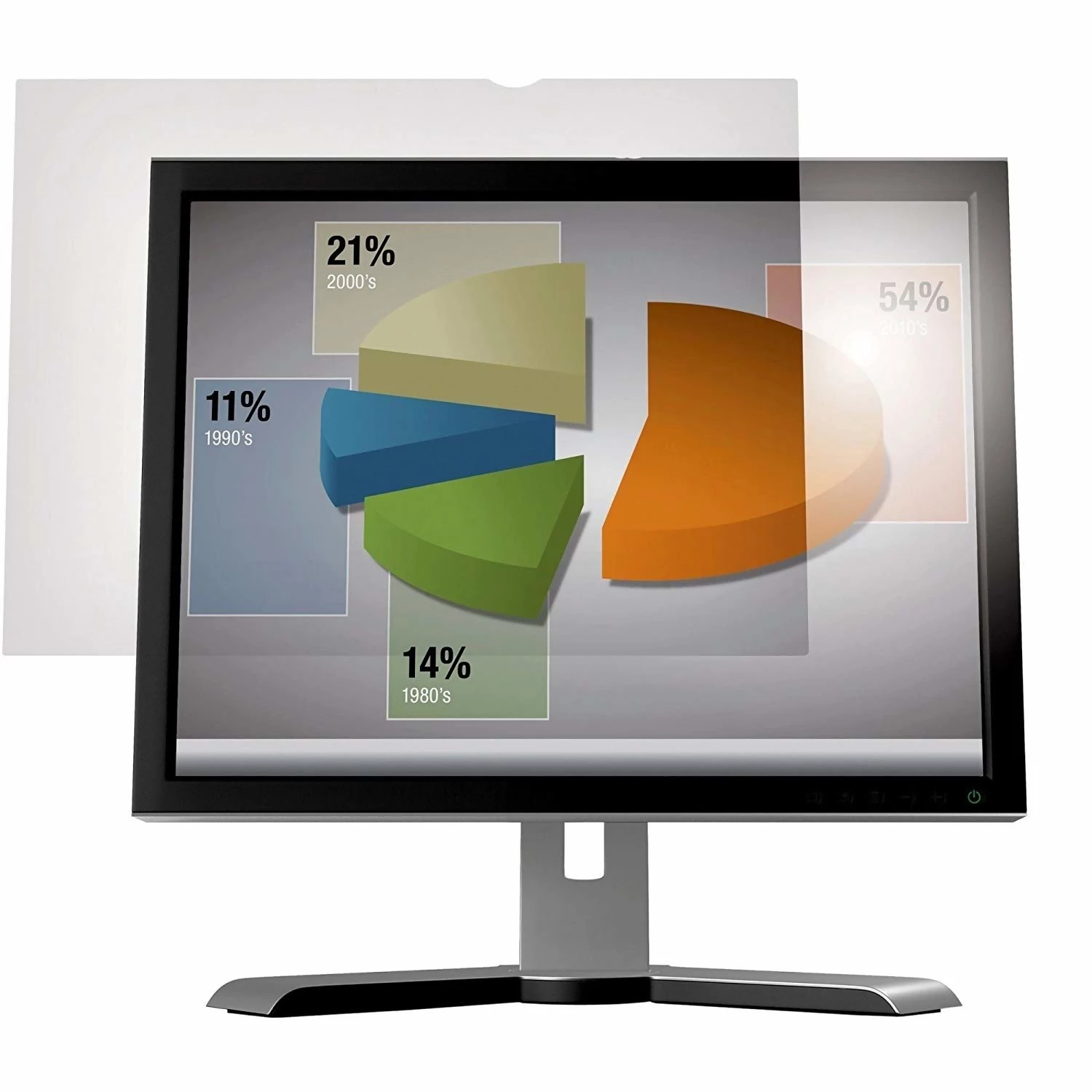
Digital eye strain frequently forces office workers, night-shift employees, and avid readers to step away from their monitors, often leaving critical tasks unfinished due to persistent headaches or severe visual fatigue. Standard hardware controls built into physical monitors usually stop at a fixed minimum brightness level, which frequently remains far too glaring in completely dark rooms. Additionally, default operating system settings rarely offer precise, specific color filtering, instead providing rigid, predefined night modes. AntiGlare is a specialized desktop utility that applies customizable color filters and software-based dimming directly to the display output. This process reduces harsh blue light and extreme white backgrounds without altering the physical monitor hardware or requiring external screen protectors. The utility actively blankets the entire workspace in soft, user-defined shades, helping mitigate the daily friction of staring at bright white documents, complex spreadsheets, and stark web pages for extended periods.
Beyond basic dimming capabilities, the application incorporates critical visual accessibility tools tailored specifically for individuals recovering from concussions, managing light-sensitive photophobia, or simply struggling to read small text formatting. By integrating a dedicated screen magnifier capable of enlarging details up to ten times their original size, the tool eliminates the constant need to squint or lean uncomfortably close to the monitor glass. Users manage all of these adjustments through a straightforward interface accessible directly from the system tray, keeping the controls close at hand while preventing the need to dig through complex Windows display menus. Choosing a dedicated desktop application over lightweight browser extensions ensures that the protective color layer covers all active application windows, system dialogs, and offline software environments consistently and reliably.
Key Features
- Full-Screen Color Filtering: Applies a uniform, continuous color layer across the entire monitor output, overriding standard operating system display rendering to soften harsh white backgrounds. Users select specific shades from a built-in custom color palette, applying a steady blanket of color that neutralizes glaring interface elements across word processors, desktop folders, and complex email clients without distorting the underlying text.
- Software-Based Dimming Controls: Bypasses the physical backlight limitations of the connected monitor hardware by using a digital overlay to artificially darken the screen. This essential mechanism allows individuals working in completely dark environments to lower the perceived brightness well below the hardware's zero-percent threshold, effectively preventing the monitor from illuminating the surrounding physical space and reducing retinal fatigue.
- Integrated Screen Magnifier: Enlarges specific sections of the active desktop environment by three to ten times their native visual resolution. Activating this accessibility tool provides a floating digital lens that actively follows the mouse cursor, allowing readers to magnify dense spreadsheet cells, small application icons, or fine-print document text rapidly without needing to alter the global display scaling settings in Windows.
- Adaptive Eye Adjustment Transitions: Features a timed fade-out option that automatically lightens the applied color filter as the user's eyes adapt to the ambient light over a set duration. This dynamic transition prevents the jarring shock of immediate brightness changes, transitioning the desktop environment smoothly during early morning hours or when switching on physical room lights near the computer workstation.
- Semi-Transparent Photo Overlays: Permits the upload of custom personal photographs that function as a visible, translucent layer atop the working desktop environment. Adjusting the dedicated transparency slider dictates exactly how prominently the image appears over active software windows, acting as a customized aesthetic backdrop that simultaneously breaks up solid blocks of bright background color on the screen.
- Desktop Wallpaper Management: Includes an embedded configuration utility to cycle or switch the background wallpaper directly from the primary dimming interface. This secondary tool consolidates basic visual workspace customization, letting the user modify their static background image while fine-tuning the overlay color shade without having to open multiple separate system control panels.
How to Install AntiGlare on Windows
- Download the executable setup file to your local storage drive using your preferred web browser, ensuring you save it to a location you can easily find.
- Navigate to your default downloads directory, locate the downloaded installer package, and double-click the executable file to launch the setup wizard.
- Review the end-user license agreement presented on the initial screen and accept the terms to proceed with the configuration process.
- Specify the destination folder on your primary local drive, or leave the directory at its default path for standard application behavior and maximum compatibility.
- Select the configuration options to create a desktop shortcut and a Start menu folder to ensure you can easily locate the utility later when needed.
- Click the install button to begin unpacking the core application files, the custom color profiles, and the integrated magnifier module onto your local system drive.
- Wait for the progress bar to finish entirely, ensuring you do not close the setup wizard while it registers the system tray components and background services.
- Check the provided box to launch the program immediately upon exiting the wizard, then locate the new utility icon in your system tray to configure your initial brightness, filter color, and magnification preferences.
AntiGlare Free vs. Paid
The vendor distributes the software under a standard commercial business model that relies on a perpetual software license. For new users wanting to test the monitor dimming and magnification on their specific hardware displays before making a financial commitment, a free demo version is available directly from the developer. This trial period allows individuals to experiment with the custom color shades, test the software-based brightness slider in dark environments, and confirm that the magnifier module tracks the mouse cursor accurately without causing display stutter or system instability.
Once the initial demo period concludes, continued usage of the application requires purchasing a permanent license for a single, one-time fee. Moving to the paid version completely removes the trial restrictions and secures the user's access to the complete visual feature set without imposing any recurring monthly bills, annual subscriptions, or hidden microtransactions.
Purchasing the commercial license also grants the buyer free ongoing customer support and access to minor updates from the developer, ensuring the tool remains fully functional as operating system updates inevitably occur over time. Because the core utility operates strictly locally on the desktop machine, there are no mandatory cloud accounts, required online sign-in procedures, or constant internet checks involved in daily usage. The paid tier simply unlocks the local interface permanently, allowing office workers and home users to maintain their custom eye-strain protections indefinitely.
AntiGlare vs. CareUEyes vs. f.lux
CareUEyes functions as a structured productivity and health monitor, focusing heavily on rigid break timers and specific visual rules. It forces the user to step away from the keyboard at predefined intervals and includes complex multi-monitor syncing tools to ensure all connected displays maintain the exact same brightness level simultaneously. Office workers who frequently lose track of time during intense projects and need strict, automated reminders to rest their eyes usually prefer CareUEyes for its disciplinary, timer-based approach to screen time management.
f.lux takes a completely automated, background-driven approach to shifting color temperature by tracking the user's local geographic coordinates and mapping the screen's warmth directly to the physical sunrise and sunset. It calculates the exact solar positioning to gradually shift the monitor away from harsh blue light as the evening progresses, requiring almost zero manual intervention after the initial software setup. Individuals who want an invisible background process that handles nighttime eye strain automatically depend on f.lux to manage their display transitions behind the scenes.
AntiGlare focuses intently on immediate, manual visual customization and accessibility tools rather than automated timers or geolocation algorithms. It is the better choice for individuals who want direct control over the exact color shade blanketing their monitor and those who actively require a built-in magnifier tool to read dense text blocks. By including a custom photo overlay tool and a manual wallpaper manager, AntiGlare caters directly to users who prioritize active, static visual workspace adjustments over automated geographic temperature shifts or strict break schedules.
Common Issues and Fixes
- The color filter fails to cover the Windows taskbar or Start menu. This issue frequently occurs when the operating system prioritizes core user interface elements over third-party desktop applications. To resolve this layering conflict, exit the application completely from the system tray and relaunch the executable file with administrator privileges to ensure the color overlay applies evenly across the entire graphical interface.
- The screen magnifier stutters or lags when moved rapidly across high-resolution displays. Rendering a magnified box at a full 10x zoom requires significant screen polling and processing power from the system. Lower the magnification setting to 5x or 3x using the main menu slider to reduce the rendering load and immediately restore smooth cursor tracking.
- The application does not launch automatically after restarting the computer. The startup registry key may not be active or may have been blocked by an external optimization tool. Right-click the utility icon in the system tray, open the main settings panel, and explicitly check the option to run the program when the operating system boots.
- Custom color settings disappear entirely after the monitor wakes from sleep mode. Interruptions in the physical display driver communication can cause the software overlay to drop unexpectedly. Manually adjust the brightness slider back and forth once, or toggle the automatic fade setting off and on to force the application to re-apply the correct filter layer to the active monitor.
Version 4.6.0.0 — February 2023
- Added a new Magnifier tab featuring selectable zoom levels of 3x, 5x, and 8x for enhanced accessibility.
- Introduced a magnifying circle tool that enlarges specific on-screen content when the Start button is activated.
- Implemented a system startup option, allowing the utility to launch automatically with Windows.
- Refined the color filter adjustment sliders to provide more precise control over screen tint and blue light reduction.
- Improved application stability and performance when applying overlays for extended periods.