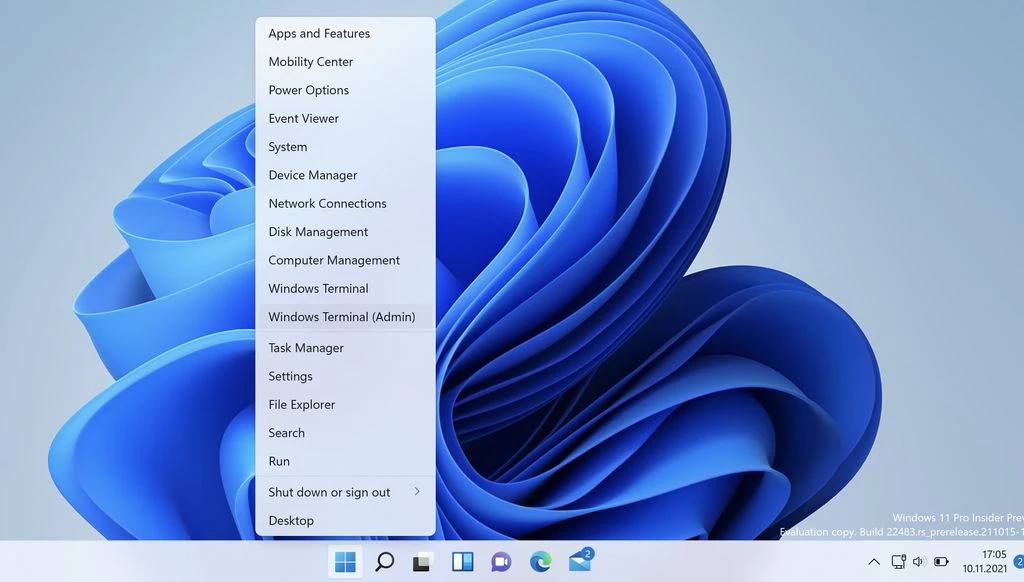
Parallels Desktop (Windows ARM) functions as a dedicated virtualization utility that allows users to run complete Windows 11 environments directly on modern ARM-based hardware architectures. Rather than relying on cloud streaming or secondary physical machines, this software generates a local virtual machine that taps directly into the host device's CPU and GPU. This gives professionals immediate access to standard productivity apps, heavy video editors, and specialized business tools like Power BI or SolidWorks that strictly require a Microsoft operating system.
By functioning at the hardware virtualization level, the platform bypasses the traditional compatibility hurdles associated with ARM processors. It downloads the official Microsoft image, configures the necessary secure boot modules, and establishes a guest environment where traditional x86 and x64 desktop applications run efficiently via built-in emulation. This localized approach guarantees zero-latency inputs and offline availability, which web-based alternatives simply cannot provide during travel or network outages.
Users choose this virtualization method because it prevents the friction of rebooting or maintaining two separate physical computers. The utility merges the guest operating system with the host environment, allowing isolated applications to run side-by-side with native programs. From software developers testing cross-platform code to accountants requiring full desktop Excel modules with COM add-ins, it delivers a practical, hardware-accelerated workstation without requiring complex manual driver configuration.
Key Features
- One-Click Provisioning: The Installation Assistant completely automates the operating system setup sequence by downloading the official Windows 11 ARM ISO directly from Microsoft servers. Users do not need to hunt for obscure disk images, create bootable flash drives, or manually partition virtual storage before reaching the desktop environment.
- Prism Emulation Support: The guest environment fully utilizes Microsoft's built-in translation layer to execute standard x86 and x64 software. This means legacy 32-bit business tools, custom enterprise scripts, and modern 64-bit applications run reliably alongside native ARM programs without requiring special compiled installers.
- Coherence Display Mode: This view option hides the traditional Windows desktop background, Start menu, and taskbar entirely from the screen. Instead, individual guest applications float in standalone windows directly on the primary host display, treating virtualized software exactly like native local programs to reduce visual clutter.
- Shared Folders and Clipboard: The utility automatically links the host's primary documents, downloads, and desktop directories directly to the virtual machine. Users can drag and drop files, copy rich text, and paste high-resolution images back and forth between the two operating systems without setting up complicated network shares.
- Virtual TPM 2.0 and Secure Boot: To meet Microsoft's strict hardware requirements for modern operating systems, the software generates a virtual Trusted Platform Module behind the scenes. This prevents installation blocks and allows the guest operating system to receive official security patches and defender definitions just like a physical machine.
- Granular Resource Allocation: The central configuration menu provides strict manual controls over the hardware limits applied to each active environment. Administrators can assign exact CPU core counts, restrict virtual RAM limits, and allocate specific GPU memory pools to ensure the background virtual machine does not starve the host device.
- DirectX 3D Acceleration: The graphics engine translates DirectX 11 and DirectX 12 calls directly to the host's native GPU API. This allows users to run demanding CAD tools, 3D modeling software, and casual PC games with hardware acceleration rather than relying on sluggish software rendering.
How to Install Parallels Desktop (Windows ARM) on Windows
- Download the official executable installer package from the vendor's website and locate the file in your default downloads folder.
- Launch the setup wizard, accept the mandatory End User License Agreement, and allow the installer to extract the core application files to your primary system drive.
- Grant the requested system-level permissions for hardware virtualization, local network bridging, and external storage access when prompted by the setup dialogue, as these are strictly necessary for the hypervisor to function.
- Sign in with your registered vendor account credentials or input a valid license code into the activation prompt to verify your software tier.
- Upon the first official launch, open the central Installation Assistant window and click the prominent 'Install Windows' button to instruct the application to automatically fetch the authorized Windows 11 ARM image.
- Wait for the automated script to provision the dynamic virtual hard disk, apply the necessary TPM 2.0 cryptographic parameters, and perform the initial boot sequence into the guest operating system.
- Follow the standard Windows out-of-box experience to create a local user profile, then confirm the installation of the guest integration tools when prompted on the desktop to enable dynamic display scaling.
- Reboot the virtual machine one final time from the Start menu to finalize the driver hooks, ensuring the hypervisor accurately maps your physical keyboard shortcuts and audio outputs to the guest environment.
Parallels Desktop (Windows ARM) Free vs. Paid
The software operates strictly on a commercial model, meaning there is no permanent free tier available for long-term use. New users, however, can download a 14-day free trial that provides unrestricted access to the complete Pro feature set. This evaluation window allows potential buyers to test specific hardware compatibility, verify that their essential legacy applications run correctly under Prism emulation, and evaluate overall system performance before making any financial commitment.
For home users, casual students, and light productivity tasks, the Standard Edition is available either as a recurring annual subscription or as a higher-priced one-time perpetual purchase. It is important to note that the perpetual license strictly ties to the current release version; future major software updates or compatibility patches for new host hardware will require a separate paid upgrade. The Standard tier handles basic daily virtualization perfectly well, but it artificially caps virtual machine hardware limits to a maximum of 8GB of vRAM and 4 virtual CPUs.
Professional developers, enterprise users, and engineers typically require the Pro or Business Editions, which operate exclusively on an annual subscription model starting around $119.99 per year. Verified academic users, including university students and faculty, can often claim a 50 percent discount on these subscriptions through the vendor's education portal. Upgrading to the Pro tier unlocks massive performance ceilings, allowing up to 128GB of vRAM and 32 vCPUs per virtual machine.
For large-scale deployments, the Business Edition includes everything in the Pro tier while adding a centralized administration console. This allows IT departments to manage multiple license codes, provision standardized virtual machines across a fleet of hardware, and remotely lock down USB device access. This ensures corporate security policies are enforced even when employees are running mixed-architecture setups on their local devices.
Parallels Desktop (Windows ARM) vs. UTM vs. VMware Fusion
UTM is a highly popular open-source virtualization platform built around the versatile QEMU emulator. Because it is completely community-driven, it requires no upfront purchase and supports a massive variety of legacy architectures, allowing users to emulate everything from ancient x86 environments to modern ARM operating systems. However, it lacks official Microsoft authorization and does not offer automated, single-click setup scripts for downloading images. More importantly, it relies heavily on software-based rendering for complex tasks, making it noticeably slower for heavy 3D applications, drafting software, or video editing workflows compared to strictly hardware-accelerated commercial tools.
VMware Fusion is a heavy-duty corporate virtualization hypervisor that recently altered its business model to make its personal-use tier entirely free. It natively supports the ARM release of Microsoft's operating system and includes excellent network simulation features that IT professionals rely on for testing secure environments. While the raw CPU performance is excellent, its host-to-guest file sharing, external display integration, and overall hardware acceleration features require significantly more manual driver configuration. It lacks the immediate plug-and-play convenience and specialized display views that casual users prefer.
Parallels Desktop (Windows ARM) remains the distinctly better fit for users who want zero-configuration workflows and instant cross-platform productivity. By totally automating the operating system download, bypassing complex manual driver installations, and offering unique window-merging display modes, it saves hours of technical frustration. It remains the top choice for running heavy x86 enterprise applications smoothly on modern ARM hardware. Even though it requires a paid subscription for optimal use, the time saved on setup, maintenance, and daily file management makes it a highly practical choice for professionals prioritizing workflow efficiency.
Common Issues and Fixes
- Guest OS activation failures. Because the virtual machine generates a unique, isolated hardware ID that is entirely distinct from your physical device, the host system's existing digital license does not automatically carry over. You must purchase and enter a separate Windows 11 Pro or Enterprise product key in the guest activation settings menu to remove the desktop watermark and unlock personalization features.
- Legacy application crashes under emulation. While Microsoft's built-in translation layer handles most daily software, some older 32-bit legacy programs, anti-cheat gaming engines, or strict hardware-monitoring tools fail to translate correctly on ARM processors. To resolve this, right-click the failing application's executable file, select Properties, open the Compatibility tab, and manually adjust the ARM emulation settings to enforce strict x86 translation rules.
- Network connectivity drops in the guest environment. Occasionally, the guest operating system will suddenly lose internet access and fail to load websites, even while the primary host machine maintains a perfectly stable connection. This usually happens when the virtual network adapter driver stalls. Open the main configuration menu, navigate to the Hardware tab, select Network, and switch the source connection from Shared Network to Bridged, then restart the guest OS.
- Host machine performance degradation. Assigning too many hardware resources to the virtual environment will aggressively starve the primary host machine, causing severe system lag, audio stuttering, and input delays across all programs. Shut down the virtual machine completely, open the CPU & Memory settings panel, and reduce the allocated RAM to exactly half of your device's total physical memory to restore stability.
- Distorted audio or microphone failure. Users frequently report that their virtualized communication apps, such as Microsoft Teams or Zoom, cannot detect the correct microphone input, resulting in absolute silence during calls. This stems from a strict privacy block on the host operating system preventing the hypervisor from accessing the hardware. Open your host system's primary privacy and security settings, navigate to the microphone permissions, and explicitly grant the virtualization application access to record audio.
Version 26.2.2 — February 2026
- Added capabilities for system administrators to monitor and manage virtual machine updates utilizing Jamf scripts.
- Added automated identifier regeneration for virtual machines deployed via Golden Images to streamline Intune enrollment.
- Improved the way Windows detects available Mac storage, helping users avoid system slowdowns caused by installing excessively large software.
- Improved SharePoint link processing reliability when downloading Enterprise Golden Images.
- Fixed an issue where the Free Systems virtual machine list would falsely claim there was no internet connection.
- Fixed a bug that caused incorrect keystrokes by failing to properly detect Japanese keyboard layouts in Windows.
- Fixed a host power issue where running full-screen Windows applications in Coherence mode prevented the Mac from properly entering sleep mode.
- Fixed a startup crash that occurred when launching Persona 5 Royal in a Windows 11 virtual machine.